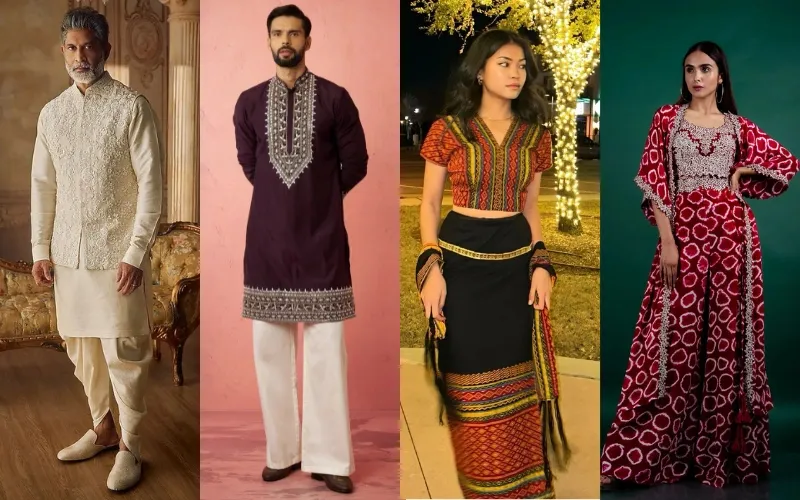
Everyday outfit basics
Most people overcomplicate clothing choices when the truth is simple. A pair of jeans that fits properly will always look better than trendy pants that feel uncomfortable. The trick is not chasing every new style but finding cuts that match your body. If you want to look sharp without effort, keep one pair of dark jeans and one lighter wash. Rotate them with plain shirts and you already solved half your wardrobe stress. Shoes matter more than people admit because worn-out sneakers ruin even the best outfit.
Smart casual explained
Smart casual is the most confusing dress code because nobody agrees on what it means. Think of it as mixing relaxed pieces with something structured. A blazer over a plain tee works. Chinos with clean sneakers also work. Avoid extremes like ripped jeans or shiny dress shoes because they push the look too far. The safest move is neutral colors and one standout accessory. A watch or belt can carry the whole look without trying too hard.
Seasonal outfit hacks
Hot weather makes people default to shorts and flip-flops, but that rarely looks polished. Linen shirts breathe better than cotton and keep you cooler. Pair them with lightweight trousers instead of shorts if you want a more refined vibe. In winter, layering is everything. A thin thermal under a sweater adds warmth without bulk. Scarves are underrated because they add style and function at the same time.
Work outfit shortcuts
Office wear doesn’t need to be boring. A crisp shirt with rolled sleeves looks professional but relaxed. Swap stiff dress shoes for leather loafers if your workplace allows it. Women can rotate between tailored trousers and midi skirts to avoid repetition. Neutral tones like navy, grey, and beige mix easily so you spend less time matching. Keep one standout jacket for meetings where you want extra confidence.
Travel outfit tips
Airports test your patience and your clothing choices. Comfort is key but sloppy outfits make you feel worse. Joggers with a fitted hoodie balance comfort and style. Slip-on shoes save time at security checks. Always carry a light jacket because planes get cold. A small crossbody bag keeps essentials close without weighing you down. Travel outfits should be practical first but still look decent when you land.
Gym outfit mistakes
People often wear old cotton shirts to the gym, which trap sweat and smell bad. Invest in moisture-wicking fabrics because they dry faster and feel lighter. Shorts with zip pockets prevent your phone from falling out mid-workout. Shoes should match the activity—running shoes for cardio, flat trainers for lifting. Avoid flashy colors unless you genuinely like them because confidence matters more than trends.
Streetwear outfit notes
Streetwear is about attitude more than clothing. Oversized hoodies, graphic tees, and sneakers dominate the style. The mistake is wearing too many logos at once. Pick one bold piece and keep the rest simple. Cargo pants are back but choose slimmer fits to avoid looking sloppy. Accessories like caps or chains add personality without much effort.
Formal outfit essentials
Formal wear is straightforward but unforgiving. A suit that doesn’t fit ruins the entire look. Tailoring is worth the investment because small adjustments make huge differences. Stick to classic colors like navy or charcoal for versatility. A white shirt is safer than experimenting with patterns unless you know what you’re doing. Polished shoes complete the outfit and should always be clean.
Minimalist outfit approach
Minimalist style isn’t about owning less but choosing wisely. A capsule wardrobe of 20–30 pieces can cover almost every situation. Neutral colors mix easily, and quality fabrics last longer. The benefit is less decision fatigue because everything matches. Accessories stay simple—one watch, one belt, one pair of sunglasses. Minimalist outfits look effortless because they avoid clutter.
Weekend outfit comfort
Weekends are for relaxation but style doesn’t need to disappear. Sweatpants with a fitted tee look casual without being messy. Denim jackets add structure to otherwise lazy outfits. Sneakers should be clean even if they’re old. Sunglasses elevate simple looks outdoors. Comfort is the priority but small details keep you from looking careless.
Outfit color rules
Colors change the mood of an outfit instantly. Black feels sharp, white feels clean, navy feels professional. Bright colors work best as accents rather than full outfits. Matching tones across shoes and shirts creates balance. Avoid mixing too many bold shades because it looks chaotic. Neutral bases with one pop of color are the safest formula.
Accessories outfit guide
Accessories are small but powerful. A belt defines your waistline and makes outfits look finished. Watches add professionalism even if they’re inexpensive. Sunglasses protect your eyes and sharpen your look. Bags should match the occasion—backpacks for casual, briefcases for work. Jewelry works best when subtle unless you want a statement piece.
Outfit mistakes to avoid
Buying clothes that don’t fit is the biggest mistake. People often size down hoping to look slimmer or size up for comfort, but both ruin the silhouette. Another mistake is ignoring shoes because they carry the outfit. Over-accessorizing makes you look like you’re trying too hard. Following every trend wastes money and leaves you with clothes you don’t wear.
Outfit shopping tips
Shopping smart means knowing what you need before entering the store. Make a list of missing basics like plain tees or neutral trousers. Try clothes in natural light because store lighting hides flaws. Always check fabric quality because cheap materials wear out fast. Online shopping works if you know your measurements, but returns are part of the process.
Outfit care basics
Even the best clothes look bad if not maintained. Wash dark colors inside out to prevent fading. Hang shirts instead of folding to avoid wrinkles. Leather shoes need polishing to stay sharp. Store seasonal clothes properly so they last longer. Care routines save money because clothes stay wearable for years.
Outfit confidence factor
Confidence changes how outfits are perceived. A plain shirt looks stylish if worn with assurance. Slouching ruins even the best tailored suit. Grooming matters as much as clothing because messy hair distracts. Outfits should match your personality instead of copying others. Confidence is the invisible accessory that completes every look.
Conclusion
Outfits are not about chasing trends but about making practical choices that fit your lifestyle. The domain abestoutfit.com reminds us that clothing advice should stay grounded in reality, not just fashion hype. A wardrobe built on fit, comfort, and small details will always outperform one built on impulse. Professional dressing, casual comfort, and seasonal adjustments all matter equally. If you want to refine your style without stress, start with basics, add accessories, and maintain confidence. Visit the site today and take action toward building outfits that actually work.
Read also :-