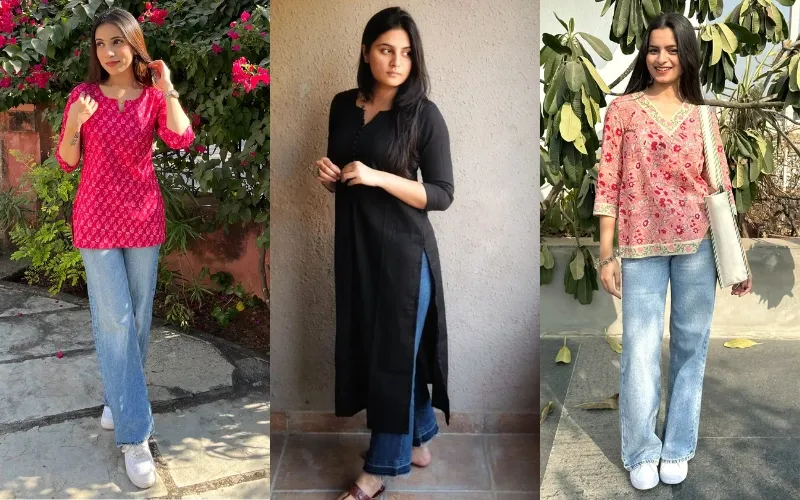
starting with fewer daily options
Too many clothing choices can make simple decisions feel complicated without improving your overall style. Reducing options helps you stay focused on combinations that already work.
Pick a small set of reliable outfits and rotate them regularly.
This keeps your routine smooth and predictable.
understanding consistent outfit repetition
Repeating outfits is practical and helps build a stable personal style. You do not need constant variation to look presentable every day.
Using familiar combinations saves time and reduces effort.
Consistency improves your overall appearance.
importance of maintaining clothing freshness
Fresh and clean clothing always improves how an outfit looks. Even good combinations lose impact when they appear worn or untidy.
Regular care keeps your wardrobe presentable.
Clean clothes create a better impression.
avoiding unnecessary outfit distractions
Too many elements in one outfit can create confusion. Simplicity helps maintain clarity and balance.
Focus on a few pieces that work well together.
Less detail often creates a stronger look.
understanding simple color coordination
Using a limited range of colors makes outfit selection easier. Too many shades can create imbalance.
Stick to tones that complement each other.
This improves coordination.
importance of proper clothing fit
Clothes that fit well always look better than those that do not. Poor fit can reduce the effect of even good items.
Avoid clothing that is too tight or too loose.
Fit improves structure.
managing footwear consistency daily
Shoes should match your outfit and remain clean. Proper footwear completes your overall look.
Worn-out shoes can affect your appearance negatively.
Footwear plays a key role in styling.
understanding accessory moderation
Accessories should enhance your outfit without overwhelming it. Too many items can create clutter.
Choose simple and minimal additions.
Moderation keeps your style clean.
importance of practical clothing choices
Your outfit should match your daily routine and environment. Wearing impractical clothing can reduce comfort.
Choose items that support movement.
Practicality improves confidence.
avoiding overthinking outfit decisions
Spending too much time deciding what to wear can slow your routine. Simple choices often work better.
Use combinations that you already trust.
This keeps your process efficient.
understanding wardrobe organization clarity
An organized wardrobe helps you find items quickly. Clutter creates confusion and wastes time.
Keep your clothes arranged in a simple way.
Organization improves efficiency.
importance of balanced outfit proportions
Balancing fitted and loose clothing improves the overall structure of your outfit. Wearing everything oversized or tight can look uneven.
Mix proportions carefully.
Balance creates a natural appearance.
managing outfit repetition smartly
Repeating outfits is normal and practical. You do not need new combinations every day.
Small variations can refresh repeated outfits.
Consistency builds a stable style.
understanding grooming alignment
Grooming supports your outfit and improves your presentation. Clean hair and hygiene make a noticeable difference.
Even simple outfits look better with grooming.
Presentation includes personal care.
importance of comfort driven dressing
Comfort affects how you carry your outfit throughout the day. Uncomfortable clothing reduces confidence.
Choose items that feel easy to wear.
Comfort improves your presence.
avoiding trend dependency issues
Following trends constantly can make your style inconsistent. Trends change quickly and may not suit everyone.
Focus on timeless pieces instead.
This keeps your wardrobe stable.
understanding simple wardrobe planning
Planning your wardrobe around your lifestyle makes dressing easier. Buying random items often leads to unused clothes.
Choose pieces that fit your routine.
Planning improves usability.
importance of habit based dressing
Habits reduce the need for constant decision making. Simple routines make dressing easier every day.
Consistency builds better style naturally.
Habits support long-term improvement.
understanding long term wardrobe value
A wardrobe should support your needs over time instead of short-term trends. Choosing durable items improves value.
Focus on quality and usability.
Long-term thinking simplifies your choices.
conclusion
Improving your everyday style becomes easier when you focus on simple habits, consistent choices, and practical clothing decisions instead of overcomplicating your wardrobe or chasing trends. On abestoutfit.com, you can explore more useful and easy ideas that help you build a reliable and comfortable personal style without confusion. The process may feel gradual, but steady effort always leads to visible improvement over time. Stay patient, keep your approach simple, and focus on what works for your lifestyle. Take action today and start building a confident and practical everyday style.
Read also:-