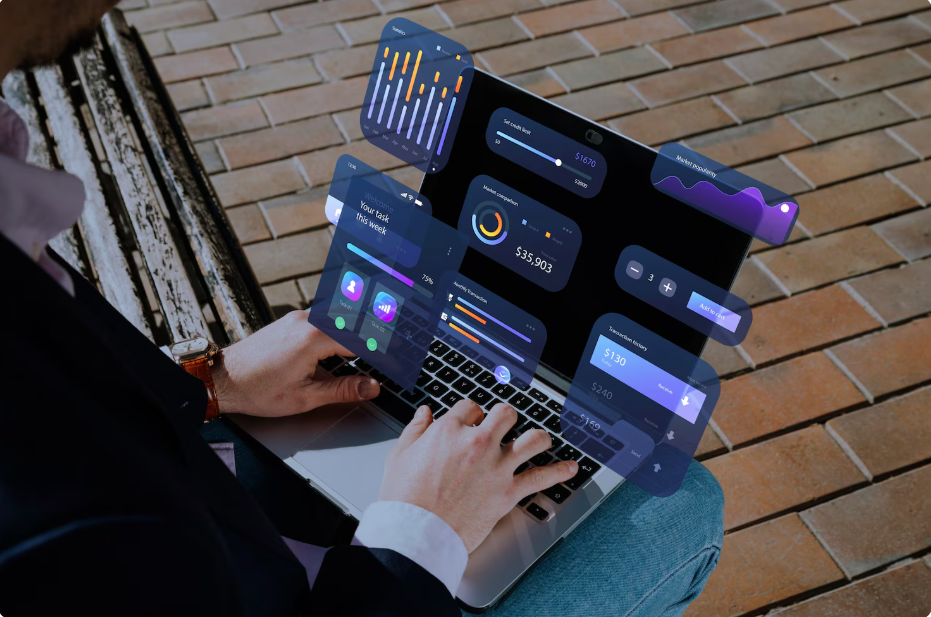
Modern project management has become significantly more complex, with remote teams and multi-stage deliverables requiring constant oversight. The purpose of integrating AI Business Analytics Tools into project management frameworks is to introduce a layer of intelligent coordination that optimizes resource allocation and predicts potential delays. Traditional project management relies on manual updates and subjective estimates, whereas AI-powered systems use historical performance data to provide realistic timelines and identify potential bottlenecks before they disrupt the workflow. This ensures that projects stay on track and within budget.
The target audience for these tools spans across various industries, including software development, marketing agencies, and construction firms. Project managers, team leads, and Scrum masters are the primary users who benefit from the automated tracking and risk assessment features. These users require a centralized platform where they can monitor team bandwidth, task dependencies, and milestone progression in real-time. The ability to have an AI “assistant” that flags over-allocated resources or suggests task reassignments is invaluable for maintaining a steady operational pace in high-pressure environments.
The benefits of AI in this context are centered on productivity and accountability. By automating the tracking of progress, team members can spend less time in status meetings and more time on their core deliverables. Furthermore, the objective nature of AI data helps in resolving disputes over timelines and responsibilities, fostering a more transparent and harmonious work culture. The predictive capabilities also allow for better client communication, as project leads can provide more accurate delivery dates and proactive updates regarding any potential shifts in the project scope Advertise your business.
In terms of usage, these platforms are often used to generate automated sprint reports, manage complex dependencies between cross-functional teams, and optimize the scheduling of shared resources like equipment or specialized personnel. For instance, an AI project manager could analyze the velocity of a development team and automatically adjust the project timeline if a critical bug is detected, ensuring that stakeholders are immediately informed of the impact. This level of dynamic adjustment is impossible with static spreadsheets. To see how these technologies compare, you should check the AI Catalog for the latest rankings and reviews. Embracing AI-driven coordination is the most effective way to manage the complexities of the modern workforce.