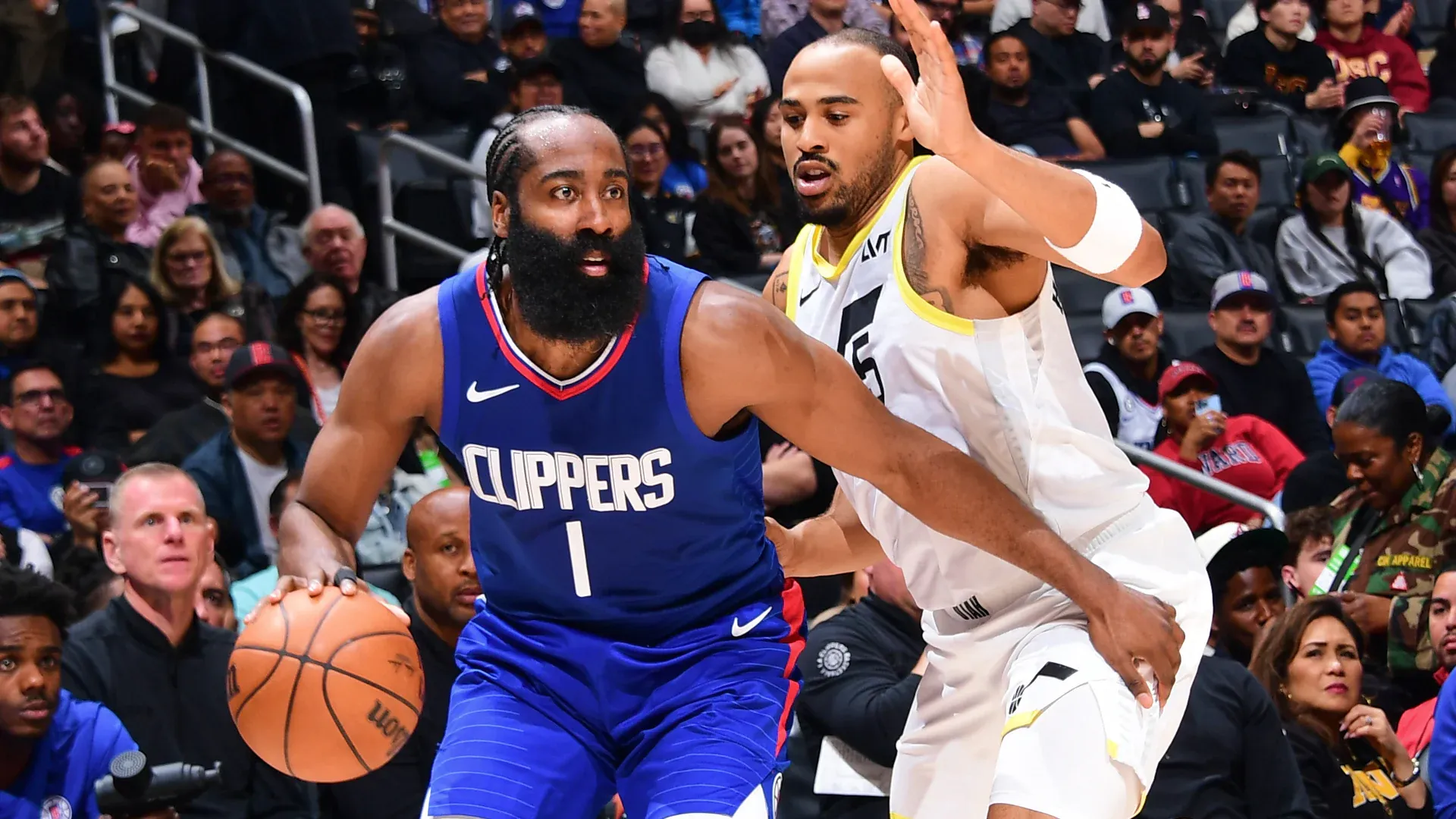
utah jazz vs la clippers match player stats provide a detailed analysis of an electrifying NBA contest, where team strategy, individual performance, and clutch execution intersected. From tip-off, both teams showcased distinct approaches: Utah emphasized perimeter shooting, spacing, and ball movement, while LA focused on interior scoring, defensive intensity, and transition offense. The utah jazz vs la clippers match player stats highlight how player efficiency, rotations, and key plays influenced the flow and outcome of the matchup.
Early numbers reflected a fast-paced game with fluctuating momentum. Utah leveraged pick-and-roll opportunities and three-point shooting to challenge the Clippers’ defense, while LA relied on paint dominance, fast breaks, and versatile scoring options. These dynamics are fully captured in the utah jazz vs la clippers match player stats, revealing both individual impact and collective strategy.
Table of Contents
ToggleOpening Quarter Analysis and Team Strategies
The first quarter set the tone for the contest. Utah’s guards utilized off-ball movement and perimeter spacing to create open shots, while the Clippers relied on post scoring and transition defense to control early possessions. Metrics such as field-goal attempts, shot efficiency, and turnovers in this quarter influenced how momentum swung.
The utah jazz vs la clippers match player stats demonstrate that early defensive stops and high-efficiency scoring opportunities were pivotal in shaping the opening exchanges.
Utah Jazz Offensive Flow and Key Players
Utah’s offense relied on quick ball movement, high-percentage three-point attempts, and exploiting defensive mismatches. Key contributors included guards who generated scoring opportunities and forwards who excelled in spacing the floor and cutting effectively. Assists, points in the paint, and three-point efficiency were integral to the utah jazz vs la clippers match player stats, illustrating the team’s fluid offensive execution.
The Jazz’s success wasn’t just measured in points but in situational efficiency, floor spacing, and timely scoring that disrupted the Clippers’ defensive schemes.
Clippers Offensive Execution and Interior Presence
LA Clippers’ offense emphasized high-efficiency shots in the paint, pick-and-roll execution, and minimizing turnovers. Big men dominated the interior while guards facilitated spacing and perimeter threats. The utah jazz vs la clippers match player stats highlight scoring efficiency, assist-to-turnover ratios, and field-goal percentages as critical indicators of offensive success.
Clippers’ offensive balance and execution ensured that they remained competitive despite Utah’s perimeter focus and fast-break aggression.
Defensive Impact and Key Plays
Defense played a crucial role in momentum shifts. Utah’s perimeter defense contested shots and generated steals, while LA’s rim protection limited high-percentage paint shots and forced contested mid-range attempts. Metrics such as blocks, steals, and opponent field-goal percentages are captured in the utah jazz vs la clippers match player stats, reflecting each team’s defensive influence.
Both teams adapted defensively, making mid-game adjustments that impacted scoring efficiency and game flow.
Rebounding and Possession Dynamics
Rebounding determined possession control and transition opportunities. LA’s big men excelled on the offensive and defensive boards, creating second-chance points and limiting Utah’s fast breaks. Utah’s guards and forwards contributed to securing rebounds and initiating transition plays. Rebounding stats, including offensive and defensive rebound percentages, are integral to the utah jazz vs la clippers match player stats.
Bench Contributions and Rotational Efficiency
Bench performance provided critical support for both teams. Utah’s reserves added scoring bursts and perimeter defense, while LA’s bench maintained interior presence and energy on both ends. Plus-minus metrics and efficiency ratings show the impact of rotations, reflected in the utah jazz vs la clippers match player stats.
Coaches utilized rotations strategically to preserve starters, manage fouls, and exploit matchups throughout the game.
Quarter-by-Quarter Momentum Shifts
Analyzing the game quarter by quarter reveals strategic adjustments and momentum swings. Utah relied on fast-break opportunities and perimeter shooting early, while the Clippers countered with paint scoring and defensive adjustments mid-game. Late-quarter metrics highlighted clutch scoring, defensive stops, and critical possessions. The utah jazz vs la clippers match player stats illustrate how situational performance defined the outcome.
Advanced Metrics and Efficiency Insights
Advanced stats offer a deeper perspective. Player efficiency rating (PER), true shooting percentage, plus-minus, and usage rates reveal which players had the highest impact. Lineup efficiency and net rating metrics provide insight into rotations and energy management. High-leverage plays and clutch performance metrics are captured in the utah jazz vs la clippers match player stats, revealing game-defining contributions.
Individual Standouts and Game-Changing Plays
Key players made decisive contributions. Utah’s perimeter stars created scoring opportunities, while Clippers’ big men dominated interior scoring and rebounding. Timing, situational awareness, and execution are evident in the utah jazz vs la clippers match player stats, highlighting how individual efforts influenced momentum and outcome.
Defensive Adjustments and Matchups
Both teams adjusted defensively throughout the game. Utah focused on limiting paint scoring while contesting perimeter shots, and LA concentrated on defending pick-and-rolls and maintaining interior dominance. Defensive stats, including steals, blocks, and opponent field-goal percentages, highlight adjustments captured in the utah jazz vs la clippers match player stats.
Offensive Efficiency and Shooting Analysis
Shooting metrics reveal offensive execution. Utah’s three-point accuracy, field-goal percentage, and points per possession demonstrate offensive rhythm, while LA’s finishing around the basket and mid-range efficiency reflect scoring balance. The utah jazz vs la clippers match player stats quantify both efficiency and impact.
Turnovers and Key Momentum Shifts
Turnovers shaped critical swings in momentum. Forced turnovers, missed assignments, and situational execution contributed to high-leverage shifts. The utah jazz vs la clippers match player stats track these plays and their influence on scoring opportunities and game control.
Clutch Performance in the Final Minutes
Clutch performance under pressure defined late-game moments. Scoring efficiency, defensive stops, and execution in critical possessions highlighted high-impact players. The utah jazz vs la clippers match player stats illustrate how performance under pressure affected the final outcome.
Coaching Decisions and Tactical Execution
Coaches influenced rotations, matchups, and tempo management. Utah emphasized spacing, transition offense, and three-point shooting, while LA focused on interior scoring, defensive rotations, and controlling tempo. Timeout usage and in-game adjustments are captured in the utah jazz vs la clippers match player stats.
Player Development and Team Insights
The stats reveal player growth and strategic execution. Utah’s players showed adaptability, spacing, and situational awareness, while LA’s roster reinforced interior dominance, transition efficiency, and clutch scoring. The utah jazz vs la clippers match player stats provide insights for player evaluation, coaching strategy, and fan understanding.
Why These Stats Are Crucial
The utah jazz vs la clippers match player stats extend beyond box scores, providing a complete picture of team performance, individual impact, and strategic execution. Every rebound, defensive stop, and high-leverage play contributes to understanding performance at a granular level, essential for analysis, coaching decisions, and fan insight.
